I just had grade one students create their own fairytales, design back drops, props, and puppets. The entire process, although really open ended, was a messy one! I provided some visual aides, but I did not provide templates for the puppets, or the backdrop. I also did not provide a template for the script.
I know that if I provided these templates, that it would have been a neater process for the kids. But, I wanted to crack open their learning and see what they could do. Basically, I wanted them to be stuck in the messy process of creating their own fairy tale and making their own props to demonstrate their learning.
The students were engaged! They were inspired to work really hard and finish their projects and share with the group. When it came time to present the fairytales, it was not a polished affair. The students were thinking on the spot, and were improvising, and trying to put it all together. But, it was great for them. They were directors, designers, writers, and artists.
Now, if I had the kids for longer, I could have refined the process. But, I really believe in giving kids the opportunity to work under a deadline, with a focus on the process, rather than a polished product. I think we learn a great deal this way. It is hard for teachers to allow this process, too! Often, we are so focused on order and having students learn the objectives, and having projects fit into a neat orderly box. This was a very different experience for the students, but creative and student driven.
Thank you grade ones...you were such a dynamic group of learners. I enjoyed working with you and you taught me so much!
I had the opportunity to go with my son's class to The Museum of Anthropology in Vancouver, BC. Although I have been teaching for over 20 years, I have never taken a class to this museum. I am not sure why I haven't gone before because it is truly one of the most beautiful and educational museums I have been to.We started off with the Totem Pole Walk behind the museum, learning about the importance of the Cedar tree.We learned about the importance of the family totem poles and the Memorial poles. The museum was designed by the late Arthur Erickson, a famous Canadian and local architect. The building itself is stunning.The second part of the fieldtrip was inside the building; we learned about the different First Nation communities - 17 in British Columbia alone, divided linguistically. We learned about the Haida and the Musqueum mostly, with the museum being situated on Musqueum land.The students learned about the life cyle of a totem pole, from felling, to carving, to the rising of the pole, and how the poles become part of the ecosystem once they fall and are taken over by new life. Totem poles last about 80 years. Our tour began at about 9:45, and finished about 12:30. We ate our lunches in the Haida longhouse, and left the museum at about 1:30pm. We gave ourselves an hour to get back to the school, taking into account the Vancouver traffic.I have such a great appreciation of the First Nations peoples in British Columbia, and I want to learn more about the rich oral and visual tradition of each of the communities spread across our province. Here is a famous Bill Reid sculpture...Another fantastic opportunity for students is to visit the UBC Biodiversity Museum...I will get to this museum in a future post.
The Museum of Anthropology is located at the University of British Columbia, and it is a worthwhile day trip for any school group.
Inside the Ski Racing Mind: Don't Praise Your Children! | Ski Racing This is a great article on how we praise children in sports, and particularly, how we often say "good job" or "great work" and praise outcomes rather than processes. There is a reference to Carol Dweck's research! Basically, the article talks about not praising inborn talent (you are a gifted skier), but rather praise the areas the child has control over, such as effort, attitude, responsibility, commitment, discipline, focus, emotional mastery, fitness, technique, equipment preparation. How does this apply to working with gifted students, and all students? We need to provide opportunities for the inborn talent to emerge, AND provide encouragement and support for the areas the student has control over....their effort, responsibility, their focus, their preparation, and discipline. Both work together. (I believe the innate talent is revealed by the emotional maturity and mastery of the student, but this is a entirely different blog post!). Our family has fallen into the ski racing world. Through this world, my sons have learned a great deal about hard work, disappointment, being organized, the importance of a good attitude, and how to work as a team in a very tough sport. I am so grateful for the lessons they are learning! The biggest lesson is disappointment. My older son races really well, but he is not the fastest kid. He doesn't win medals. However, he goes to the award ceremonies after the races, and waits patiently, thinking that perhaps, this time, he will get a medal. Afterwards, he is crestfallen. He works so hard and there isn't an external reward for him!So, we use this as a lesson: we debrief, we talk about disappointment, and hard work, and we try to focus him on the good things, like being in the moment and knowing that you did your best. It is so hard and tough, but we are building resiliency, one step at a time. Let's focus on building resiliency in our students and teaching them that innate abilities are important (and interesting), but that IT IS our intentions, and our effort, and our hard work, and our commitment, and our passion for what we are doing that matter much much more. Disappointment is good. It refocuses our soul and helps us learn.
Inside the Ski Racing Mind: Don't Praise Your Children! | Ski Racing
This is a great article on how we praise children in sports, and particularly, how we often say "good job" or "great work" and praise outcomes rather than processes. There is a reference to Carol Dweck's research! Basically, the article talks about not praising inborn talent (you are a gifted skier), but rather praise the areas the child has control over, such as effort, attitude, responsibility, commitment, discipline, focus, emotional mastery, fitness, technique, equipment preparation.
How does this apply to working with gifted students, and all students? We need to provide opportunities for the inborn talent to emerge, AND provide encouragement and support for the areas the student has control over....their effort, responsibility, their focus, their preparation, and discipline. Both work together. (I believe the innate talent is revealed by the emotional maturity and mastery of the student, but this is a entirely different blog post!).
Our family has fallen into the ski racing world. Through this world, my sons have learned a great deal about hard work, disappointment, being organized, the importance of a good attitude, and how to work as a team in a very tough sport. I am so grateful for the lessons they are learning! The biggest lesson is disappointment. My older son races really well, but he is not the fastest kid. He doesn't win medals. However, he goes to the award ceremonies after the races, and waits patiently, thinking that perhaps, this time, he will get a medal. Afterwards, he is crestfallen. He works so hard and there isn't an external reward for him!
So, we use this as a lesson: we debrief, we talk about disappointment, and hard work, and we try to focus him on the good things, like being in the moment and knowing that you did your best. It is so hard and tough, but we are building resiliency, one step at a time.
Let's focus on building resiliency in our students and teaching them that innate abilities are important (and interesting), but that IT IS our intentions, and our effort, and our hard work, and our commitment, and our passion for what we are doing that matter much much more. Disappointment is good. It refocuses our soul and helps us learn.
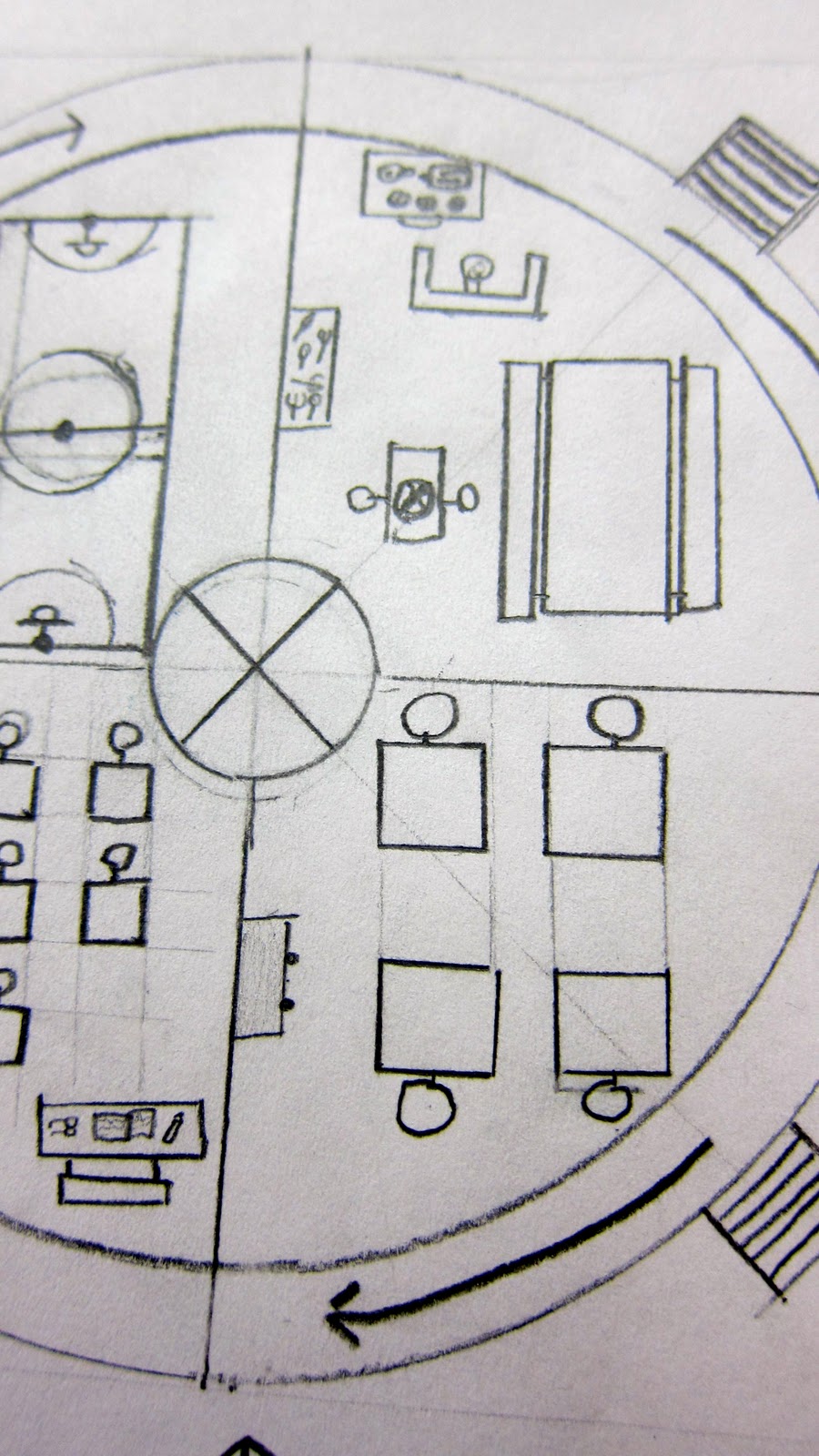
Brought together 12 boys ages 8 and 9 with a serious interest in building and design... Their first challenge was to design their dream school....I encouraged wacky and strange ideas....just to have them leave the idea of school being a rectangular room, with windows, two doors, and desks. What kind of school would you create and why? Lots of fun ways to enter school were explored...slides, ramps, and telaportation were a few... School in trees.... School with a conveyor belt around the perimeter, to move you from class to class... Superjet elevators, and a time machine will make history lessons all the more exciting.... Solar panels here, to heat the building... Robots to do the work...A super rope climber contraption...so students can climb while they learn. Thanks boys...your ideas were brilliant, fun, and inspirational! As well as planning our dream schools, we also learned a bit about architects, and we started looking at: building design, structural issues: compression, tension, bending, and finally, climate and geography in design.
Our next challenge: design a dream house and a 3 dimensional model, and present ideas to the team.
Brought together 12 boys ages 8 and 9 with a serious interest in building and design...
Their first challenge was to design their dream school....I encouraged wacky and strange ideas....just to have them leave the idea of school being a rectangular room, with windows, two doors, and desks.
What kind of school would you create and why?
Lots of fun ways to enter school were explored...slides, ramps, and telaportation were a few...
School in trees....
School with a conveyor belt around the perimeter, to move you from class to class...
Superjet elevators, and a time machine will make history lessons all the more exciting....
Solar panels here, to heat the building...
Robots to do the work...
A super rope climber contraption...so students can climb while they learn.
Thanks boys...your ideas were brilliant, fun, and inspirational! As well as planning our dream schools, we also learned a bit about architects, and we started looking at: building design, structural issues: compression, tension, bending, and finally, climate and geography in design.
Our next challenge: design a dream house and a 3 dimensional model, and present ideas to the team.